
What Thrifting Taught Me About Web Design
Ever since I was making money (babysitting gigs, a Christmas check from the grandparents or a W2 job) I’ve been shopping. First in stores, then catalogs and now online.
My goal recently is to shop secondhand as much as possible. This makes your shopping habits more sustainable, saves you money and gives your closet more unique pieces. The black cowboy boots with blue stitching I constantly get compliments on? $5 at the flea market!
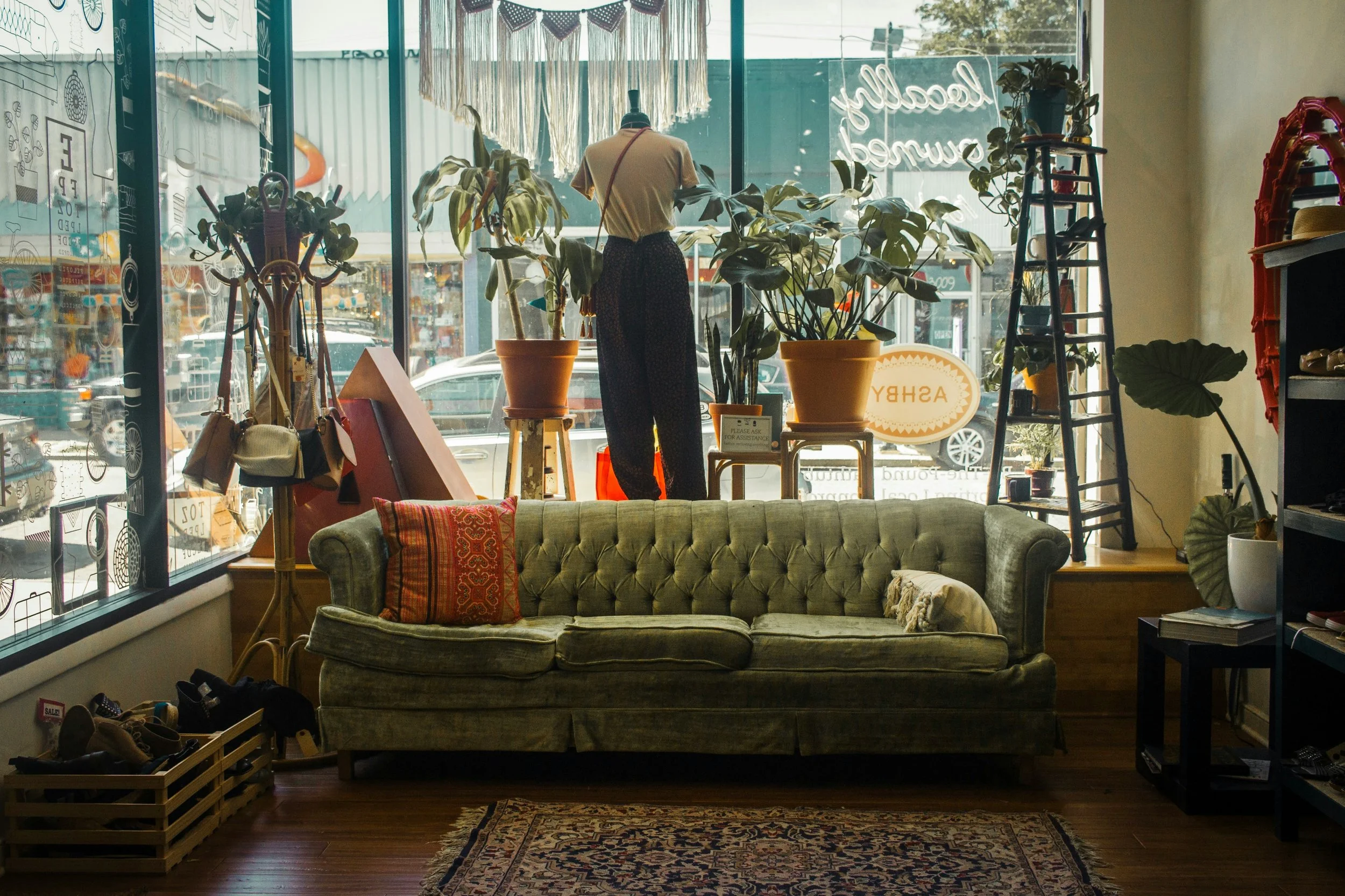
Photo by Darrien Staton on Unsplash
I used to think that thrifting and web design had nothing in common but they have more similarities than you think.
Thrifting and web design are both about seeing the potential in something that’s already there.
The trick is knowing what’s worth keeping, what needs to be restyled, and when to scrap the whole thing entirely.
Here are 4 things thrifting taught me about making websites.
You don’t have to start from scratch
Thrifters don’t weave their own fabric. Web designers don’t reinvent the wheel. Templates, existing pages, and inherited sites are like the thrift store rack, the skill is in knowing what to do with them.
I’ve never been shy about the fact that I’m not a coder. Shoutout to the people coding their websites from scratch!
Starting from scratch can be so daunting. It’s much easier to use the resources you have whether that’s free resources like a web design blog (wink wink) or a website template that you can customize to suit your brand. It’s why you can get lost looking at an unorganized closet.
It’s about editing, not hoarding
Bad thrifters buy everything. I was almost guilty of buying some truly terrible stuff. At the thrift store last week, I saw the cutest black bike shorts from Girlfriend Collective in my size! I’m so glad I double checked them before buying because they were filled with holes!
Bad web designers add more content, more sections, more plugins. The discipline is in deciding what to take away, the white space, the ruthless cut, the “we don’t need that page.” Editing is usually harder than creating because you have to be a bit ruthless and stick to your vision.
Fit matters more than the label
A designer blazer that doesn’t fit is worthless. I rarely shop by labels at the thrift store unless I’m looking for something specific. There’s no reason to buy something that doesn’t fit you whether that’s style, fit or comfort level.
If a fabric feels too itchy on me I know I’ll never be able to wear it all day. A fancy template that doesn’t fit your brand is the same. Off-the-shelf only works when it’s tailored.
The transformation is the craft
The best thrift finds aren’t worn as-is, they’re customized, styled, layered. The best websites aren’t launched as-is either. The magic is in the refinement.
Tweaking your design, brand and website is where the magic happens. You want to feel confident and like you which is what a killer outfit and website will do for you. You don’t need a brand-new wardrobe. You need someone who knows what to keep, what to alter, and what to toss and can make the whole thing look intentional.
If you’re ready to untangle your ideas for your website, book an Untangle Call.